Understanding DDoS Attack Types
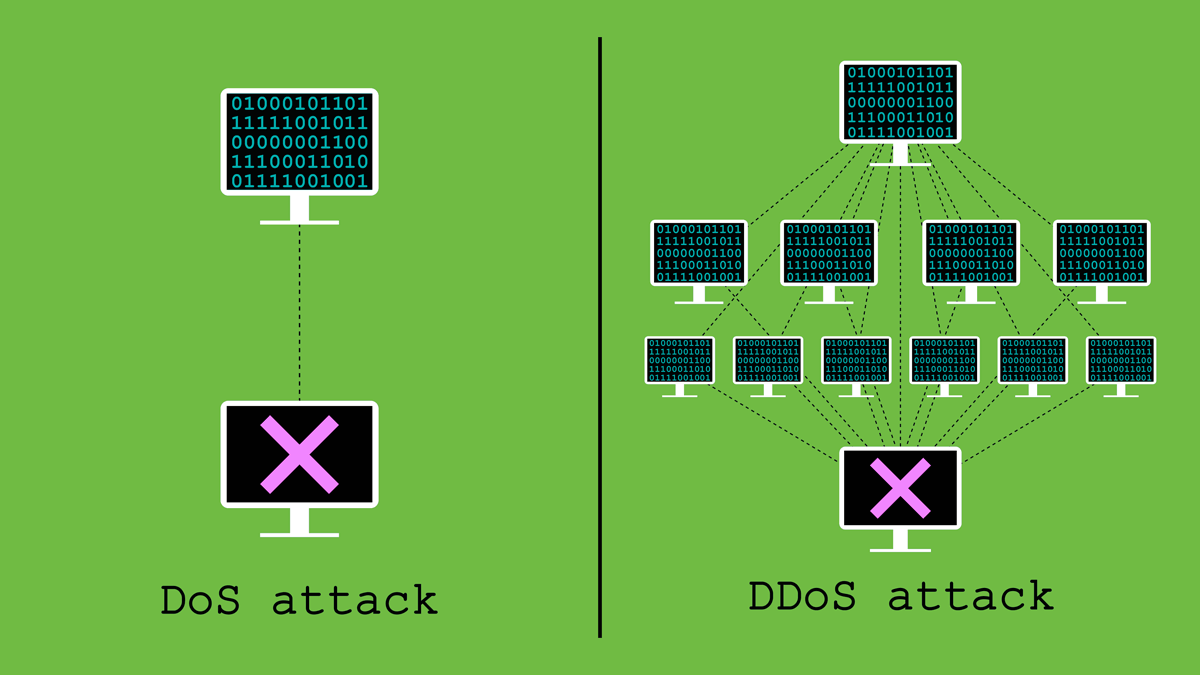
Distributed Denial of Service (DDoS) attacks are a serious threat to online systems, aiming to disrupt services by overwhelming them with traffic. Different types of DDoS attacks have unique methods and impacts. Here’s an overview:
1. Volumetric Attacks
Volumetric attacks flood a network’s bandwidth with excessive traffic, making it difficult for legitimate users to access resources. This type of attack often uses botnets to generate massive traffic from multiple sources.
- Common Techniques: UDP floods, ICMP floods, and amplification attacks.
- Impact: Exhausts network bandwidth, resulting in service downtime.
2. Protocol Attacks
Protocol attacks target server resources directly by exploiting weaknesses in network protocols. They overwhelm specific layers of the network infrastructure, leading to a denial of service.
- Common Techniques: SYN floods, Ping of Death, and fragmented packet attacks.
- Impact: Overloads server resources, making the system unresponsive.
3. Application Layer Attacks
Application layer attacks focus on exhausting resources at the application level, such as web servers. These attacks mimic legitimate traffic, making them harder to detect and block.
- Common Techniques: HTTP floods, slowloris attacks.
- Impact: Causes web applications to crash, disrupting user access.
Defense Strategies Against DDoS Attacks
To protect against DDoS attacks, organizations need to implement effective defense strategies tailored to each type of attack. Here are some common approaches:
- Traffic Filtering and Rate Limiting: Use firewalls and intrusion prevention systems to filter and limit abnormal traffic.
- Scalable Network Infrastructure: Use load balancers and content delivery networks (CDNs) to distribute traffic across multiple servers.
- Behavioral Analysis: Deploy tools that analyze traffic patterns to detect anomalies and mitigate threats in real-time.
- DDoS Protection Services: Utilize cloud-based DDoS mitigation services that offer advanced protection against large-scale attacks.
Understanding the types of DDoS attacks and implementing a layered defense strategy is essential for minimizing disruptions and maintaining online service availability.