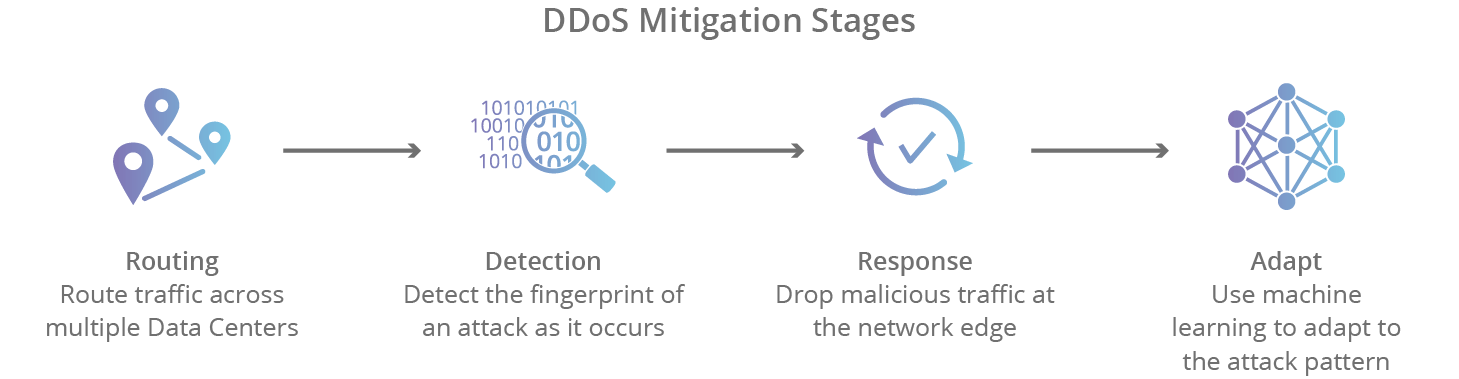
Understanding DDoS Attacks
A Distributed Denial of Service (DDoS) attack is a malicious attempt to disrupt the normal traffic of a targeted server, service, or network by overwhelming it with a flood of internet traffic. These attacks can cause significant downtime, revenue loss, and reputational damage. Here are effective strategies to mitigate DDoS attacks:
1. Implement a Content Delivery Network (CDN)
A CDN distributes website content across multiple servers globally, allowing traffic to be balanced and reducing the impact of a DDoS attack on a single server.
- Benefit: Minimizes load on any one server, making it harder for attackers to overwhelm the site.
- Example Providers: Cloudflare, Akamai, and Amazon CloudFront.
2. Use Load Balancers
Load balancing helps distribute incoming traffic across multiple servers, preventing any single server from being overwhelmed and ensuring continuous service availability.
- Benefit: Enhances redundancy and maintains performance during traffic spikes.
- Use Case: Ideal for high-traffic websites and critical online services.
3. Deploy Rate Limiting and Traffic Filtering
Rate limiting restricts the number of requests a user can make in a certain time frame, reducing the effectiveness of bot traffic often used in DDoS attacks.
- Benefit: Controls traffic flow and mitigates potential overload.
- Application: Useful for applications with user-generated requests, such as login forms.
4. Enable Web Application Firewalls (WAF)
A WAF filters and monitors HTTP requests and protects applications by blocking malicious traffic before it reaches the server.
- Benefit: Blocks common DDoS traffic patterns and reduces exposure to application-level attacks.
- Providers: AWS WAF, Azure WAF, and Imperva.
Additional Measures for DDoS Protection
Aside from the primary strategies, organizations can strengthen DDoS defenses with these measures:
- Regular Security Audits: Conduct audits to identify vulnerabilities that attackers could exploit during a DDoS attack.
- Automated Threat Detection: Utilize AI-driven tools that monitor traffic patterns and detect abnormal spikes in real time.
- Redundancy and Failover Plans: Ensure data and critical services are mirrored across multiple locations to maintain availability during attacks.
With these strategies, businesses can greatly reduce the risk of service interruptions from DDoS attacks and maintain reliable and secure operations.